About the Gulf of Maine Council
The Gulf of Maine Council on the Marine Environment is a Canadian-American partnership of government and non-government interests established by the region’s Premiers and Governors in 1989 to maintain and enhance environmental quality in the Gulf of Maine and to allow for sustainable resource use by existing and future generations. Today, the Gulf of Maine Council provides a valuable regional forum that brings US and Canadian partners together to understand and address issues impacting coastal communities, economic resources, and unique natural habitats that make up the Gulf of Maine watershed.
Themes
Climate and Coastal Resilience
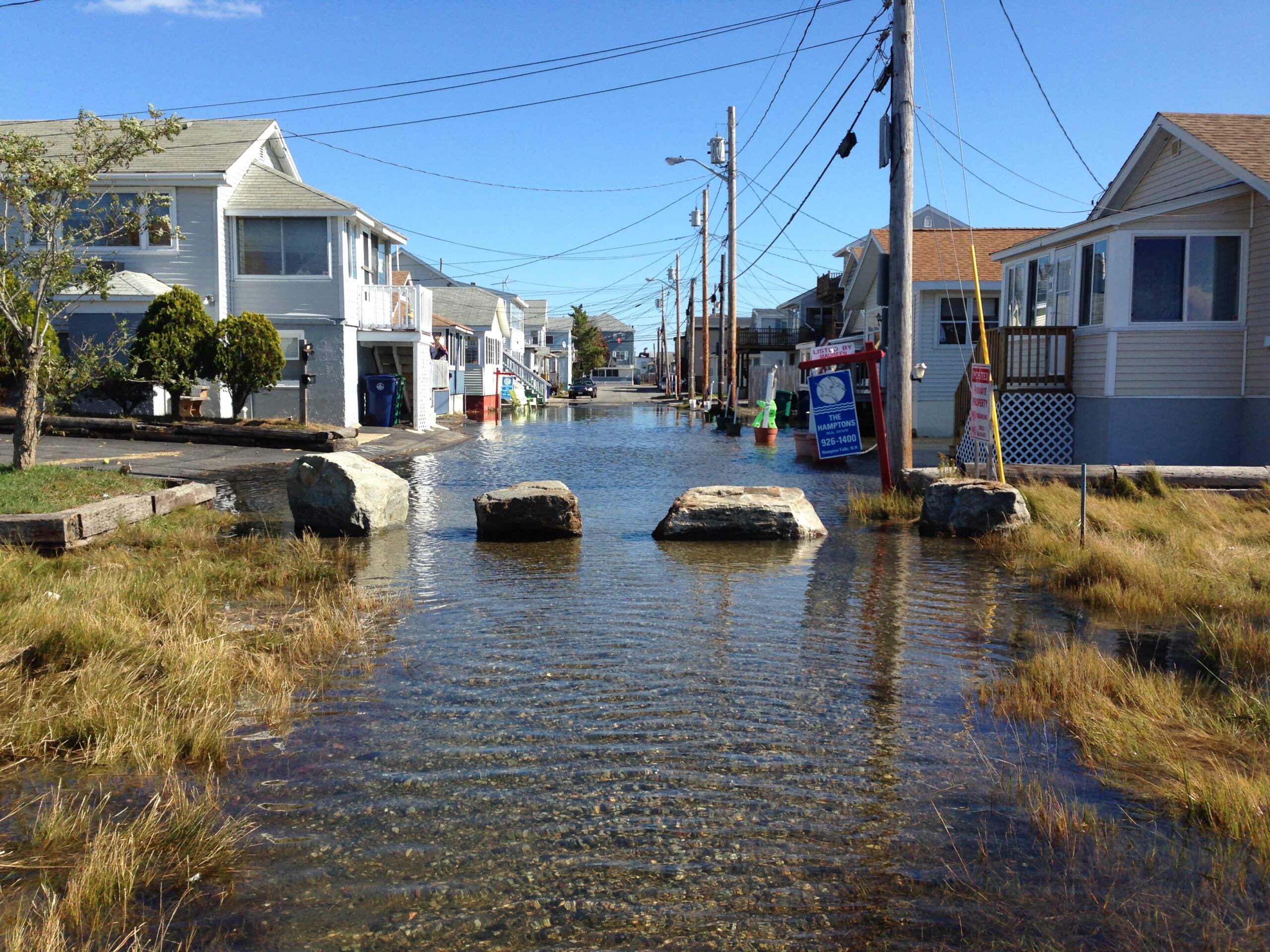
Supporting resilient and sustainable communities, habitats, and economies in the Gulf of Maine depends on understanding climate-driven changes to coastal and marine systems and using that knowledge to guide resilience and adaptation strategies.
Coastal and Marine Spatial Planning
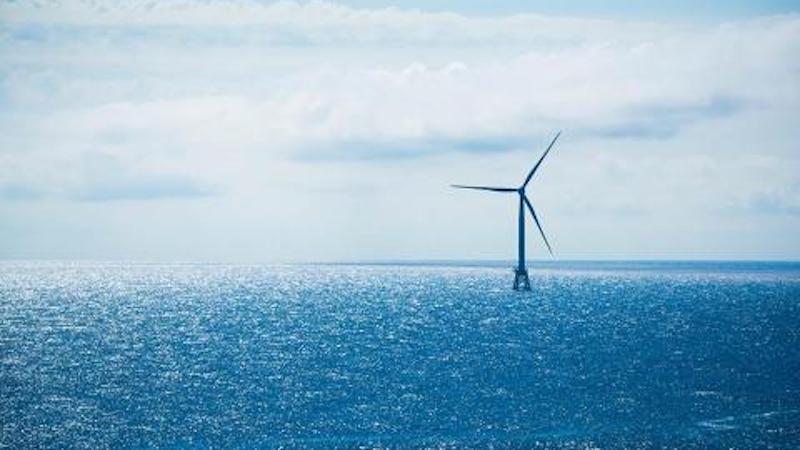
Coastal and Marine Spatial Planning (CMSP) helps inform where and when ocean and coastal uses such as offshore energy, marine conservation, and shipping occur in order to balance ecological, economic, and social interests.
Environmental Monitoring
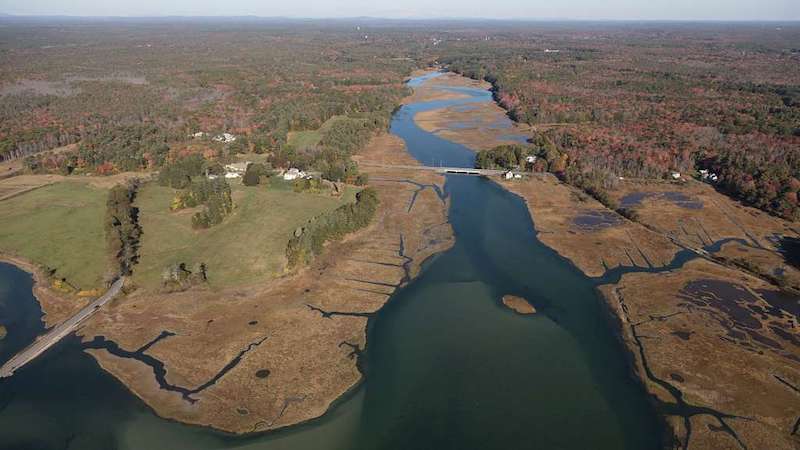
Monitoring and research enable understanding about the health and status of natural resources, ecosystems, and environmental conditions. Results guide management decisions in support of a healthy Gulf of Maine ecosystem.
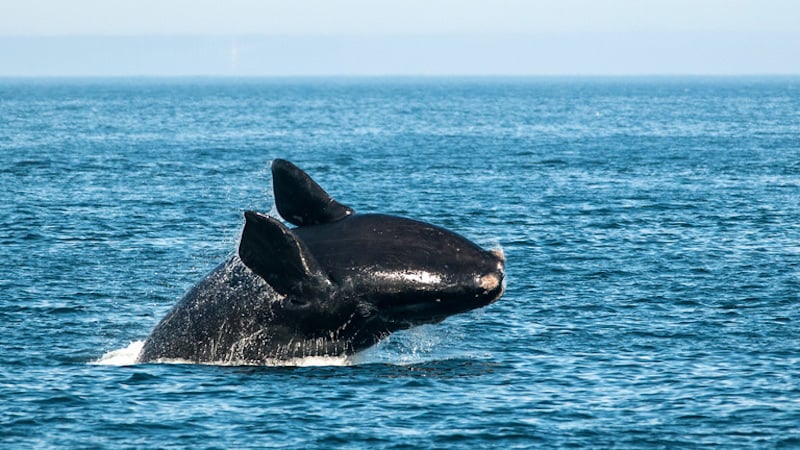
Habitat and Marine Life
The rich waters and habitats of the Gulf of Maine support diverse wildlife, from migratory shorebirds to fish, shellfish, and marine mammals. These ecosystems include sandy banks, coastal salt marshes, eelgrass beds, rocky ledges, and deep ocean basins.
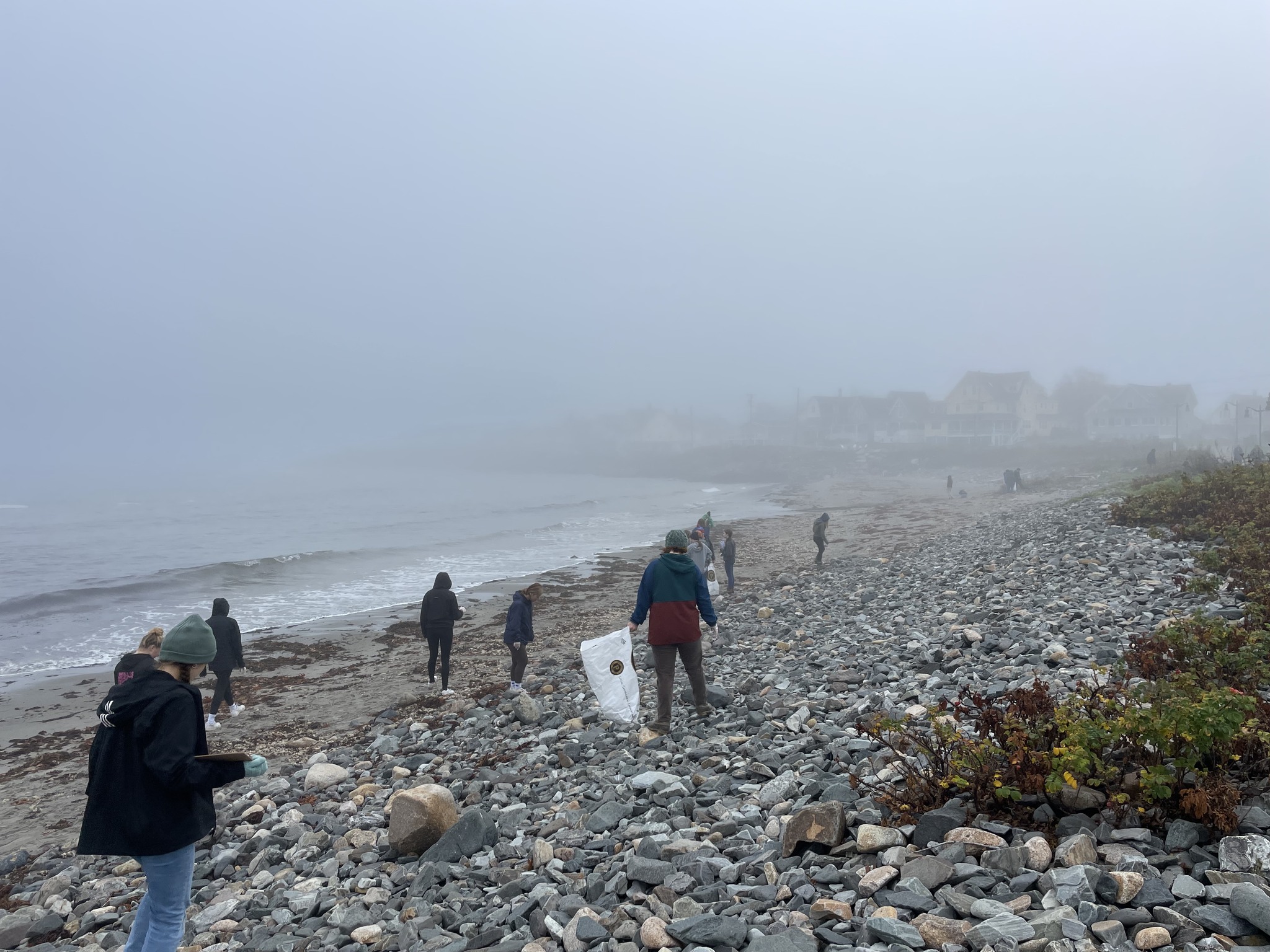
Marine Debris
Reducing marine debris in the Gulf of Maine watershed protects wildlife, habitat, and water quality. Plastics, derelict fishing gear, and other waste materials that enter rivers and the ocean harm marine life, degrade habitat, and can break down into dangerous microplastics.
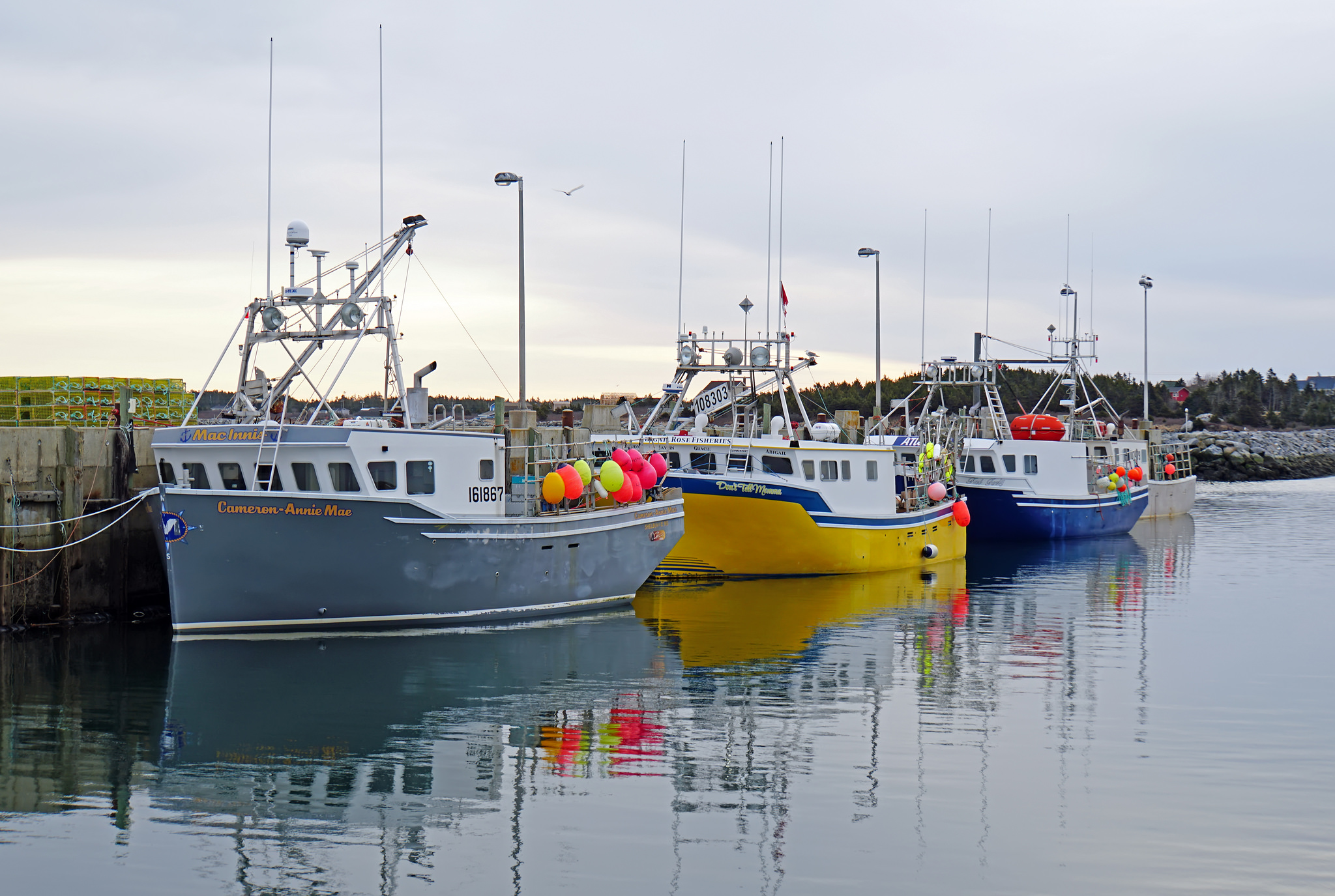
Working Waterfront
The Gulf of Maine’s vibrant working waterfront is a strong economic driver for people and communities. Waterfront infrastructure supporting commercial fisheries and marine trades is at risk from sea level rise and increasing storm surge.